


Introduction
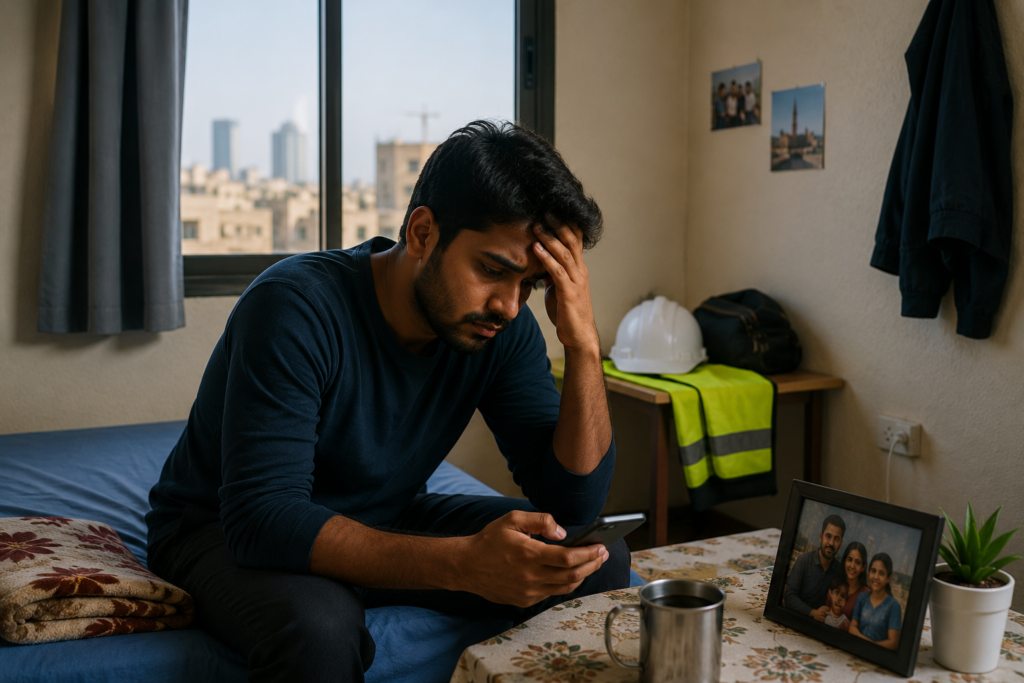
Hospitals can be confusing, especially for foreign workers. Language barriers, uncertainty about payments, and lack of understanding about documents can make the experience stressful.
This guide explains what happens during hospital visits, how prescriptions work, and which documents you must keep.
Before You Go to the Hospital
If the situation is not an emergency, check first if a clinic can treat you.
Hospitals are important, but they are not always the best first option.
Take with you:
- Passport or ID
- Insurance details
- Employer contact (if relevant)
- List of current medicines
- Previous medical documents
This helps save time and avoid confusion.
What Happens at the Hospital
When you arrive, the process usually includes:
Registration
Your details are recorded.
Triage
Medical staff decide how urgent your condition is.
Patients with more serious conditions are treated first, even if they arrived later.
Treatment
The hospital may:
- Examine you
- Order tests (blood, X-ray, imaging)
- Give treatment
- Prescribe medicine
- Admit you if necessary
Ask questions during the process so you understand what is happening.
Do Not Leave Without a Discharge Summary
The discharge paper is one of the most important documents.
It usually includes:
- Reason for visit
- Diagnosis
- Treatment given
- Instructions for next steps
Without this document, future treatment becomes more difficult.
Before leaving, check:
- Your name is correct
- The document is clear and readable
Understanding Prescriptions
A prescription is part of your treatment plan.
Before leaving, make sure you understand:
- Medicine name
- Dosage
- How many times per day
- How long to take it
If something is unclear, ask immediately.
Keep All Related Documents
Always keep:
- Prescriptions
- Receipts
- Test results
- Referral forms
- Discharge summary
These are important for:
- Follow-up treatment
- Insurance
- Work-related issues
If This Was a Work Injury
Hospital documents become even more important.
You may need:
- Form BL/250 from employer
- Medical certificate
- Documentation for National Insurance
These documents affect your rights and compensation.
Payment and Receipts
Hospital visits may involve costs depending on the situation.
Always keep receipts because they may be needed for:
- Insurance reimbursement
- Proof of treatment
- Future claims
How to Stay Organized
After you return home:
- Take photos of all documents
- Save them in one folder
- Back them up (email or cloud)
Use clear file names, for example:
- Date + hospital + document type
This saves time later.
Follow-Up Is Important
A hospital visit is often only the first step.
You may need:
- Follow-up appointments
- Additional tests
- Continued treatment
Do not ignore these instructions.
Common Mistakes
- Going to hospital for minor issues
- Leaving without discharge papers
- Losing prescriptions
- Not understanding instructions
- Throwing away receipts
Conclusion
Hospital visits are easier when you manage both:
- Your health
- Your documents
Always:
- Ask questions
- Take documents
- Keep everything organized
Final Tip
Treatment does not end when you leave the hospital.
Good documentation and follow-up care are just as important as the visit itself.