


Introduction
A phone today can hold almost everything: bank access, salary messages, passport photos, work chats, and family conversations. That means a small online mistake can become a money problem, a privacy problem, or a stress problem very quickly.
Good online safety is not about fear. It is about a few habits that make theft and confusion harder.
The biggest risks workers face
The most common danger is not a dramatic hack. It is a fake message that looks real. A worker receives a text saying a package is waiting, an account is blocked, a bank needs confirmation, or a code must be entered urgently. Under pressure, the worker clicks, enters details, and gives access away.
Phishing, vishing, and social-engineering scams succeed because they create urgency. That is why the first defense is not technical. It is slowing down.
Password habits that actually work
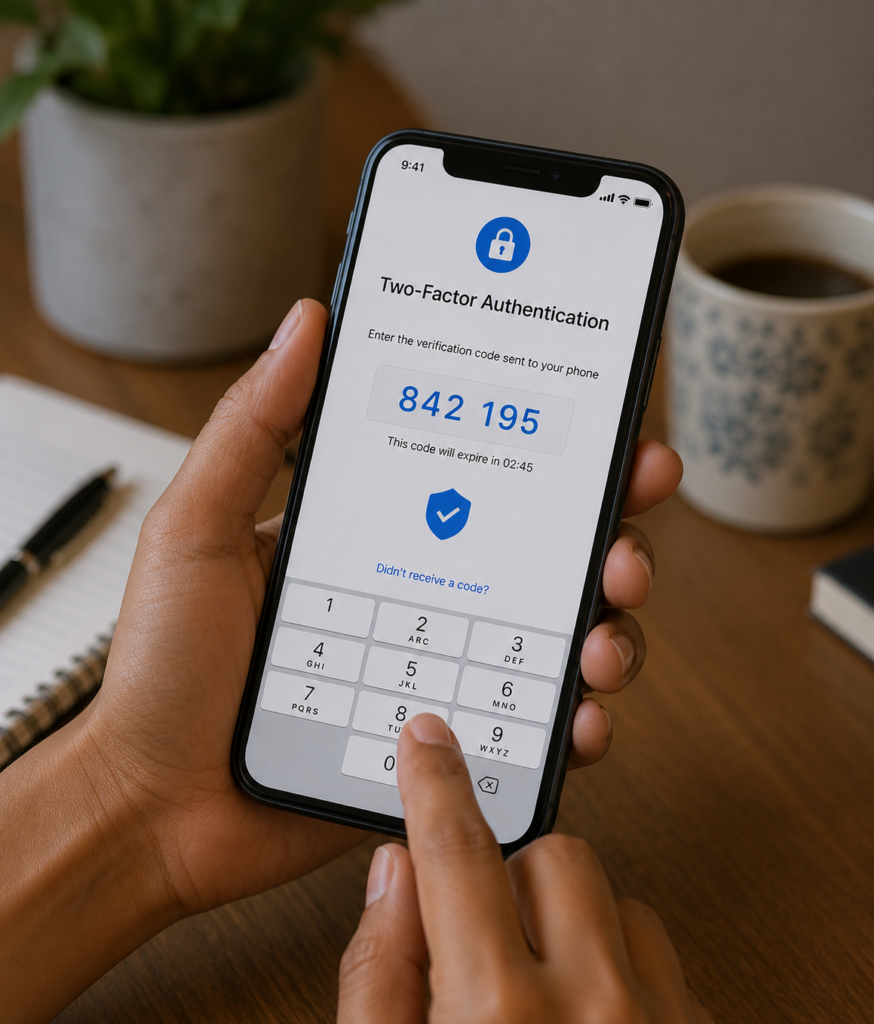
Strong passwords matter, but workers also need passwords they can manage. The safest everyday approach is to use different passwords for major accounts, store them in a trusted password manager or secure private note, and turn on two-step verification for banking, email, WhatsApp, and cloud storage.
A reused password is dangerous because one leak can open many doors at once.
How to spot a fake message
- It creates urgency: “act now,” “your account will be blocked,” or “this is your last warning.”
- It asks for a code, link click, or payment before you expected any issue.
- The sender name looks familiar, but the link or address is slightly wrong.
- It pushes you to leave the official app or website and use a new link in the message.
What to do if you clicked or shared something
Act quickly, but do not panic. Change the password from the official website or app, turn on or reset two-step verification, check recent activity, and contact the bank or service provider through official channels if money or identity is involved. Save screenshots of the scam message and note the time it happened.
Fast action often reduces damage. Delay usually increases it.
Conclusion
Online safety is now part of worker safety. A strong password, careful attention to links, and a calm response to suspicious messages protect far more than a phone. They protect wages, documents, and daily stability.
The best habit is simple: if a message creates pressure, do not trust the pressure. Open the official app or website yourself and check from there.