


Introduction
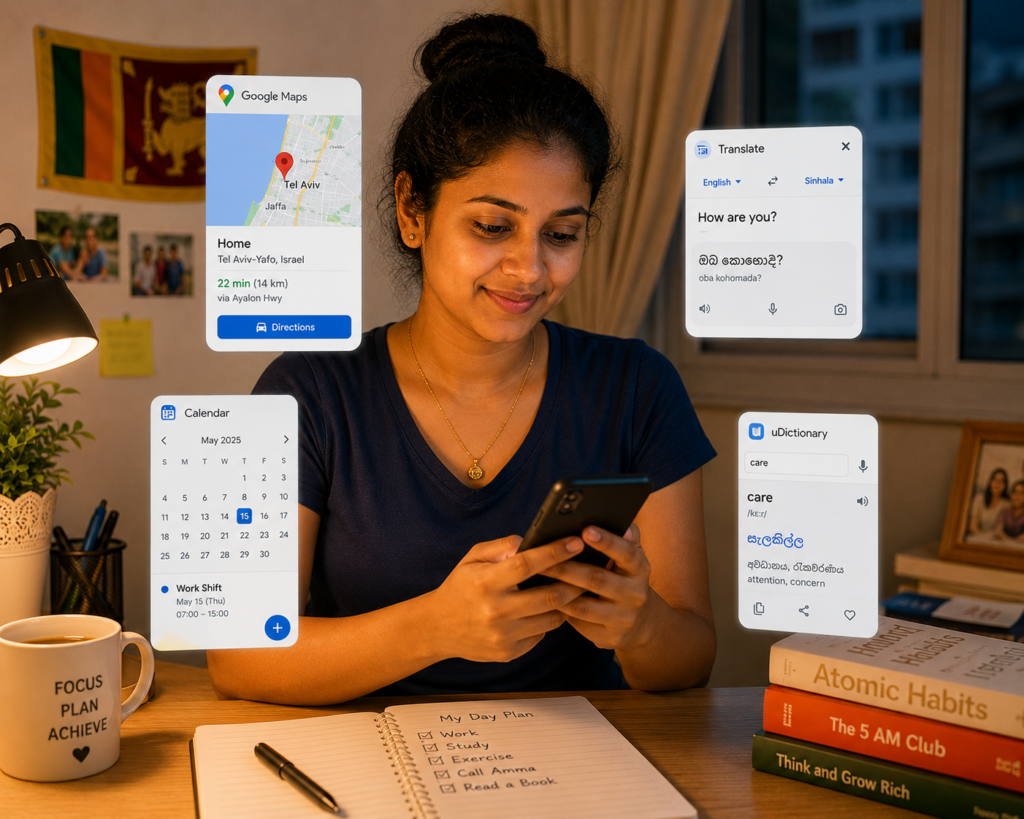
Many workers do not need advanced computer knowledge. They need a small digital toolkit that works under pressure: a phone map that helps them arrive on time, a translation tool that helps them understand a message, a calendar that remembers deadlines, and a safe place to keep copies of important papers.
The real value of digital skills is not looking modern. It is reducing mistakes. When a worker can find an address, save a screenshot, open an official website, and back up a contract, daily life becomes calmer and more manageable.
The small set of skills that matter most
- Knowing how to search for official information instead of trusting every forwarded message.
- Using translation tools carefully without treating them as perfect legal advice.
- Saving contracts, payslips, visa pages, receipts, and appointment confirmations in more than one place.
- Using maps, calendars, reminders, and notes to reduce memory mistakes.
- Protecting accounts with strong passwords and two-step verification.
A realistic digital routine for daily life
A useful routine is simple. Once a week, review your calendar, bank messages, work messages, and any official notices. Once a month, save fresh copies of important papers and clean your phone so key files are easy to find. When something important happens—a payment, a complaint, a warning, an appointment—save proof on the same day.
Workers who do this do not avoid every problem. They simply recover faster because they can find the right information when it matters.
Common digital mistakes that create real trouble
The most common mistake is keeping everything inside WhatsApp chats. If the phone is lost, changed, or damaged, years of proof can disappear. Another mistake is depending on one helpful friend for every translation, address, and document. Friendly advice is useful, but official information should still be checked at the source.
A third mistake is downloading random apps because someone in a group said they are useful. Some are real. Some are outdated. Some ask for more personal information than they need.
A practical setup that works
Create one main folder on your phone or cloud account called “Israel Documents.” Inside it, keep subfolders for passport and visa, work papers, payslips, housing, health, and travel. Use your phone calendar for appointments and expiry dates. Keep one notes file with important numbers, addresses, and account details written clearly.
This kind of simple system is more valuable than ten clever apps used badly.
Conclusion
Digital skills are not separate from real life. They affect work, money, travel, health, and peace of mind. The goal is not to become an expert. The goal is to become harder to confuse, harder to exploit, and easier to help.
For most workers, a safer digital life begins with five habits: search official sources carefully, save documents in more than one place, use reminders and maps to reduce mistakes, protect accounts with strong passwords, and verify information before acting on it.