


Introduction
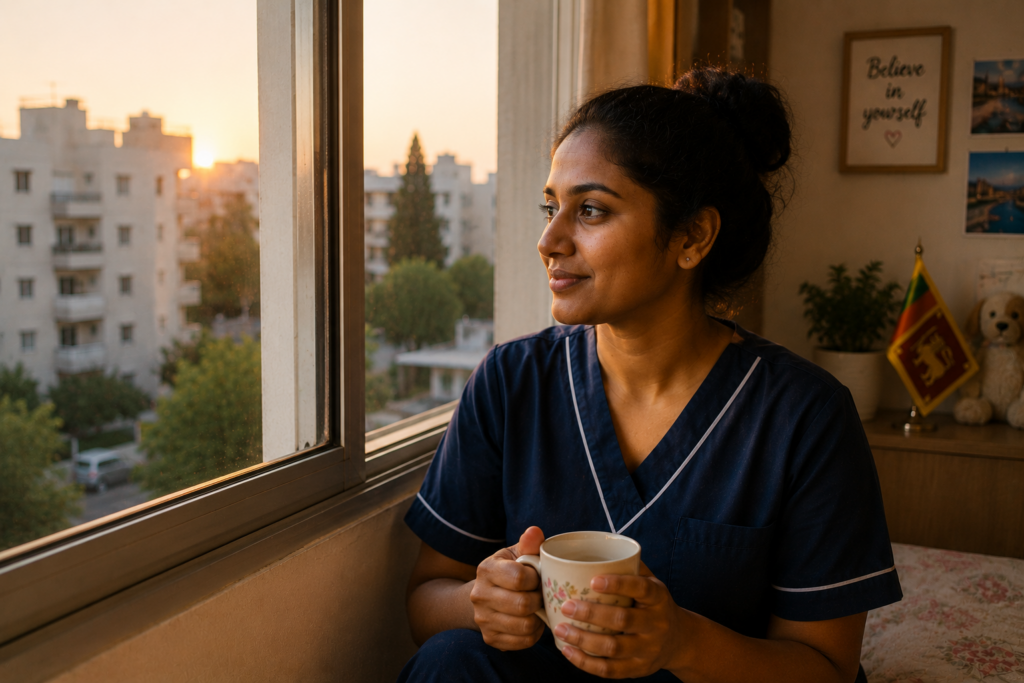
Loneliness abroad does not always look dramatic. Sometimes it appears as homesickness after work, silence on a day off, or a slow feeling that nobody really understands how hard the routine has become.
This does not mean a person is weak. It means the person is carrying distance, work pressure, cultural adjustment and responsibility at the same time.
Recognize the difference between sadness and decline
Missing home is normal. Cultural stress is also normal. The danger begins when the problem starts changing daily function: sleep becomes irregular, appetite changes, work concentration falls, you stop speaking to people you trust, or you begin to feel that nothing matters.
WHO guidance treats social connection and mental wellbeing as real parts of health, not as luxury topics. Social connection protects health, while isolation can deepen stress over time.
What usually makes loneliness worse
- Only work and no real rest
- Living with people but not feeling safe or understood
- Too much social media and too little genuine connection
- Family pressure that makes home feel far away and heavy at the same time
- Believing you must hide every difficult feeling
Small actions that actually help
When energy is low, big advice often fails. Small actions work better.
- Keep one regular connection with a trusted person, even if the call is short.
- Leave your room or bed at least once on rest days instead of isolating all day.
- Eat and sleep at roughly similar times when possible.
- Do one familiar thing each week that reconnects you to identity: food, music, prayer, language or festival preparation.
- Reduce time in chats or feeds that make you compare your life to others.
Community matters, but not every group helps
Some workers respond to loneliness by joining every social group they can find. Sometimes that helps. Sometimes it only adds gossip, pressure and noise. A better option is to stay close to a few groups that are calm, useful and respectful.
Look for quality, not quantity. One steady friend, one healthy community group or one trusted family member is often more valuable than ten busy chats. Groups connected to LankaConnect can be helpful here because they are built around support, information and connection for Sri Lankans living in Israel, and there are different groups for different needs and topics.
When to seek outside support
If stress turns into panic, hopelessness, thoughts of self-harm, inability to work, or fear of being alone, do not wait. WHO guidance on mental health also stresses that support should be accessible through community and non-specialist settings, not only in severe hospital situations.
Seeking help early is not failure. It is a protective action.
Conclusion
Loneliness abroad becomes lighter when it is named early and handled with simple habits, real connection and honest self-observation. You do not need to solve every emotional problem in one week. You need to notice when isolation is growing, and respond before it becomes dangerous.