



அறிமுகம்
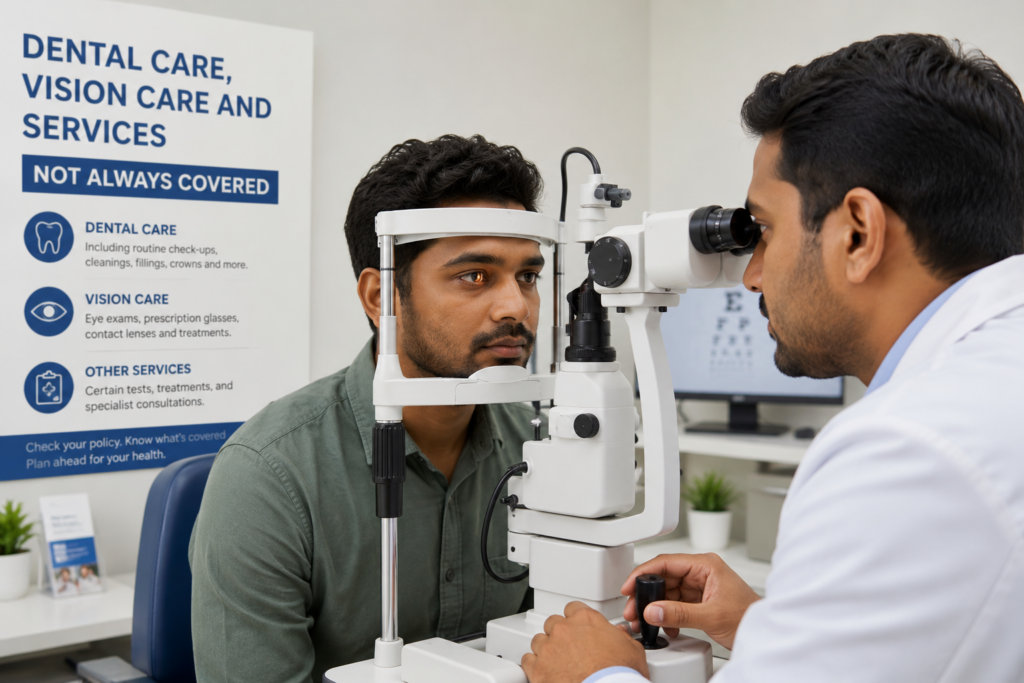
இஸ்ரேலில் உள்ள சுகாதாரப் பராமரிப்பு குறித்து பல வெளிநாட்டுத் தொழிலாளர்கள் முரண்பட்ட தகவல்களைக் கேட்கிறார்கள். சிலர் “HMO-க்குச் செல்லுங்கள்” என்றும், வேறு சிலர் “காப்பீட்டு நிறுவனத்தைத் தொடர்புகொள்ளுங்கள்” என்றும், இன்னும் சிலர் “மருத்துவமனைக்குச் சென்றால் போதும்” என்றும் கூறுகிறார்கள். உண்மை என்னவென்றால், இஸ்ரேலியக் குடிமக்களை விட வெளிநாட்டுத் தொழிலாளர்களுக்கு இந்த அமைப்பு வித்தியாசமாகச் செயல்படுகிறது.
இந்தக் கட்டுரை கட்டமைப்பை எளிய மொழியில் விளக்குகிறது. இது ஒரு சட்டப் பாடநூல் அல்ல. இது ஒரு நடைமுறை வழிகாட்டி: வழக்கமான பராமரிப்பை யார் வழங்குகிறார்கள், மருத்துவமனைகளின் பங்கு என்ன, மருந்தகங்களின் செயல்பாடு என்ன, பரிந்துரைகள் எப்போது முக்கியத்துவம் பெறுகின்றன, மேலும் பெரும்பாலான வெளிநாட்டுத் தொழிலாளர்களுக்கு தனியார் காப்பீடு ஏன் இந்த அமைப்பின் மையமாக உள்ளது என்பனவற்றை இது விளக்குகிறது.
முதலில் புரிந்து கொள்ள வேண்டிய விஷயம்
இஸ்ரேலியக் குடியுரிமை இல்லாத பெரும்பாலான வெளிநாட்டுத் தொழிலாளர்கள் தேசிய சுகாதாரக் காப்பீட்டுச் சட்டத்தின் கீழ் காப்பீடு செய்யப்படுவதில்லை. மாறாக, குடியுரிமை இல்லாத வெளிநாட்டுத் தொழிலாளர்கள், வெளிநாட்டுத் தொழிலாளர் சட்டத்தின் கீழ் தேவைப்படும் ஒரு தனியார் மருத்துவக் காப்பீட்டுக் கட்டமைப்பின் மூலம் காப்பீடு செய்யப்படுகிறார்கள் என்று தேசிய காப்பீட்டு நிறுவனத்தின் அதிகாரப்பூர்வ வழிகாட்டுதல் கூறுகிறது.
அதாவது, இஸ்ரேலிய சுகாதார அமைப்பு என்பது ஒரேயொரு நுழைவாயிலைக் கொண்டதல்ல. வெளிநாட்டுத் தொழிலாளர்களுக்கு, அது ஒரு வழித்தடம் போன்றது: முதலில் தனியார் காப்பீடு, இரண்டாவதாக மருத்துவமனை வலையமைப்பு, தேவைப்படும்போது மட்டும் மருத்துவமனை, மற்றும் பணி காயங்கள் மற்றும் அவசரநிலைகளுக்கான சிறப்பு நடைமுறைகள்.
இந்த அமைப்பில் யார் என்ன செய்கிறார்கள்
உங்கள் பாலிசியுடன் எந்தெந்த மருத்துவமனைகள், மருத்துவர்கள் அல்லது சேவை வழிகள் இணைக்கப்பட்டுள்ளன என்பதை உங்களுக்குத் தெரிவிக்கும் அமைப்புதான் காப்பீட்டு நிறுவனம் அல்லது சேவை வழங்குநர்.
காய்ச்சல், இருமல், தொற்றுகள், தோல் பிரச்சனைகள், அடிப்படைப் பரிசோதனைகள், மருந்துப் புதுப்பிப்புகள் மற்றும் தொடர் சிகிச்சைகள் போன்ற பெரும்பாலான சாதாரண மருத்துவப் பிரச்சனைகள் ஒரு மருத்துவமனையில்தான் தொடங்குகின்றன.
மருந்தகம் பரிந்துரைக்கப்பட்ட மருந்துகளை வழங்குகிறது. சில மருந்துகள் குறிப்பிட்ட ஏற்பாடுகளின் மூலம் மட்டுமே காப்பீட்டின் கீழ் கிடைக்கக்கூடும், எனவே பணியாளர்கள் மருந்துச் சீட்டுகளையோ அல்லது ரசீதுகளையோ தூக்கி எறியக்கூடாது.
மருத்துவமனை என்பது தீவிரப் பரிசோதனைகள், சிறப்பு சிகிச்சை, அவசர நிலைமைகள் அல்லது அவசர சிகிச்சைப் பிரிவுப் பராமரிப்பு ஆகியவற்றிற்கானது. அன்றாடப் பிரச்சனைகளுக்கு மருத்துவமனை எப்போதும் முதல் இடமாக இருப்பதில்லை.
பெரும்பாலான வெளிநாட்டுத் தொழிலாளர்களுக்கு, சாதாரண மருத்துவப் பரிசோதனைகளுக்கு தேசிய காப்பீட்டு நிறுவனம் பொருத்தமானதல்ல; ஆனால், அங்கீகரிக்கப்பட்ட பணியிடக் காயம் தொடர்பான பிரச்சினை ஏற்படும்போது அது முக்கியத்துவம் பெறுகிறது.
ஒரு சாதாரண மருத்துவப் பயணம் பொதுவாக எவ்வாறு செயல்படுகிறது
ஒரு தொழிலாளிக்கு உடல்நிலை சரியில்லை என உணர்கிறார். அந்தத் தொழிலாளி காப்பீட்டு சேவைத் தொடர்பு எண்ணை அழைக்கிறார் அல்லது நியமிக்கப்பட்ட மருத்துவமனைக்குச் செல்கிறார். மருத்துவமனை மருத்துவர் அந்தத் தொழிலாளியைப் பரிசோதித்து, மருந்து பரிந்துரைக்கலாம், மருத்துவ விடுப்புச் சான்றிதழ் வழங்கலாம், பரிசோதனைக்கு உத்தரவிடலாம் அல்லது அவரை வேறு இடத்திற்குப் பரிந்துரைக்கலாம். அதன்பிறகு, அந்தத் தொழிலாளி சரியான ஆவணங்களுடன் அடுத்த கட்டத்தைப் பின்பற்றுகிறார்.
அதுதான் இயல்பான செயல்முறை. பணியாளர்கள் முதல் படியைத் தவிர்க்கும்போதோ, தவறான இடத்திற்குச் செல்லும்போதோ, அல்லது ஒவ்வொரு மருத்துவரும் ஒவ்வொரு மருத்துவமனையும் கொள்கையைத் தானாகவே அங்கீகரித்துவிடும் என்று கருதிக்கொள்ளும்போதோ சிக்கல்கள் ஏற்படுகின்றன.
பரிந்துரைகளும் வழங்குநர் வலையமைப்புகளும் ஏன் முக்கியம்
வெளிநாட்டுத் தொழிலாளர் காப்பீடு பெரும்பாலும் அங்கீகரிக்கப்பட்ட மருத்துவமனைகள், மருத்துவர்கள் அல்லது சேவை வழங்குநர்கள் மூலமாகவே செயல்படுகிறது. இதனால்தான், பிரச்சினை உண்மையாக இருக்கும்போதும் இந்த அமைப்பு கண்டிப்பானதாகத் தோன்றக்கூடும்.
பரிந்துரைக் கடிதம் என்பது வெறும் காகிதத் துண்டு அல்ல. அது பெரும்பாலும் சிகிச்சையின் ஒரு கட்டத்திற்கும் அடுத்த கட்டத்திற்கும் இடையிலான இணைப்பாகும். அது இல்லாமல், பணியாளர் தாமதப்படுத்தப்படலாம், கட்டணம் வசூலிக்கப்படலாம் அல்லது திருப்பி அனுப்பப்படலாம்.
அதே காரணத்திற்காகவே ஒரு சேவை வழங்குநர் வலையமைப்பும் முக்கியத்துவம் பெறுகிறது. சரியான மருத்துவமனை வருகைக்கான செலவைச் சுமுகமாகச் செலுத்த முடியும், ஆனால் அதே வகையான வருகை தவறான இடத்தில் ஏற்பட்டால், அது குழப்பத்தையோ அல்லது தனிப்பட்ட கட்டணத்தையோ ஏற்படுத்தக்கூடும்.
மருத்துவமனைகள் எங்கே பொருந்துகின்றன
மருத்துவமனைகள் இன்றியமையாதவை, ஆனால் அவை எல்லா சாதாரண நோய்களுக்காகவும் வடிவமைக்கப்பட்டவை அல்ல. அவசரநிலைகள், பெரிய காயங்கள், கடுமையான வலி, தீவிரமான தொற்றுகள், அறுவை சிகிச்சை, மற்றும் படமெடுத்தல், மருத்துவமனையில் அனுமதித்தல், அல்லது சிறப்பு நிபுணரின் தலையீடு விரைவாகத் தேவைப்படும் நேர்வுகளில் அவை குறிப்பாக முக்கியமானவை.
நிலைமை உண்மையிலேயே அவசரமானது என்றால், சரியான சிகிச்சை முறை குறித்து விவாதித்து நேரத்தை வீணாக்காதீர்கள். முதலில் சிகிச்சையைப் பெறுங்கள். ஆனால், அவசர நிலை முடிந்தவுடன், மருத்துவமனையிலிருந்து வெளியேற்றப்பட்டதற்கான சுருக்கம், மருந்துச் சீட்டுகள், பரிந்துரைகள், ரசீதுகள், படப்பதிவுச் சுருக்கங்கள் மற்றும் தொடர் சிகிச்சைக்கான அறிவுரைகள் என ஒவ்வொரு ஆவணத்தையும் கவனமாகச் சேகரியுங்கள்.
மருந்தகங்கள் என்ன செய்கின்றன
மருந்தகங்கள் பெரும்பாலும் ஒரு இறுதிச் சிறிய படியாகவே கருதப்படுகின்றன, ஆனால் நடைமுறையில் அவை இந்த அமைப்பின் ஒரு முக்கிய அங்கமாக இருக்கின்றன.
மருந்துச்சீட்டிற்கு கால வரம்புகள் இருக்கலாம். சில மருந்துகளுக்கு ஒப்புதல் தேவைப்படலாம் அல்லது குறிப்பிட்ட இணைக்கப்பட்ட ஏற்பாடுகள் மூலம் அவற்றை எளிதாகப் பெறலாம். பணியாளர் புறப்படுவதற்கு முன் மருந்தின் பெயர், மருந்தளவு, வழிமுறைகள் மற்றும் கால அளவு ஆகியவற்றைச் சரிபார்க்க வேண்டும்.
பணியாளர் தன் சொந்தப் பணத்தில் செலுத்தினால், அதற்கான ரசீதை பத்திரமாக வைத்திருக்க வேண்டும். சிகிச்சை பல வாரங்களுக்குத் தொடரும்போது மருத்துவ ஆவணங்கள் மிகவும் முக்கியமானதாகின்றன.
பணி நேரத்திற்குப் பிறகான பராமரிப்பு எவ்வாறு செயல்படுகிறது
எல்லா பிரச்சனைகளும் சாதாரண மருத்துவமனை நேரங்களில் ஏற்படுவதில்லை. இஸ்ரேலில் அவசர நேரத்திற்குப் பிறகான தேர்வுகள் மற்றும் அவசரகால சேவைகளும் உள்ளன, ஆனால் சரியான வழிமுறையானது பிரச்சனையின் தீவிரத்தையும், பணியாளரின் காப்பீட்டு அறிவுறுத்தல்களையும் பொறுத்தது.
இரவில் உயிருக்கு ஆபத்தில்லாத ஒரு பிரச்சனைக்கு, காப்பீட்டு உதவி எண் அல்லது நியமிக்கப்பட்ட அவசர சேவையை அழைப்பதே பெரும்பாலும் புத்திசாலித்தனமான முதல் நடவடிக்கையாகும். உடனடி ஆபத்து ஏற்பட்டால், மேகன் டேவிட் அடோம் அவர்களை 101 என்ற எண்ணில் அழைக்கவும்.
மொழி, கண்ணியம் மற்றும் நோயாளி உரிமைகள்
இந்த அமைப்பு சிக்கலானதாகத் தோன்றினாலும், ஒரு பணியாளர் என்பவர் உரிமைகளுடன் கூடிய ஒரு நோயாளிதான். நோயாளிகளுக்கு கண்ணியம், தனியுரிமை, மருத்துவ இரகசியத்தன்மை மற்றும் தகவலறிந்த ஒப்புதல் ஆகியவற்றுக்கான உரிமைகள் உண்டு என சுகாதார அமைச்சகம் குறிப்பிடுகிறது.
அதாவது, தொழிலாளர்கள் அவமானகரமான நடத்தையை ஏற்றுக்கொள்ள வேண்டிய கட்டாயமில்லை, மேலும் முன்மொழியப்படும் சிகிச்சை முறை என்னவென்பது அவர்களுக்குப் புரியும் வகையில் கூறப்பட வேண்டும். மொழிபெயர்ப்பு எப்போதும் கச்சிதமாக இருப்பதில்லை என்றாலும், என்ன நடக்கிறது என்பதைக் கேட்கவும், நிதானமாகப் பார்க்கவும், புரிந்துகொள்ளவும் தொழிலாளிக்கு உரிமை உண்டு.
நடைமுறை உதாரணங்கள்
உதாரணம் 1: காய்ச்சல் மற்றும் உடல் பலவீனத்தால் பாதிக்கப்பட்ட ஒரு தொழிலாளி, கிளினிக்குகள் பயனற்றவை என்று ஒரு நண்பர் கூறியதால் நேரடியாக மருத்துவமனைக்குச் செல்கிறார். பல மணி நேரம் காத்திருந்த பிறகு, இந்தப் பிரச்சினை ஒரு குறிப்பிட்ட கிளினிக்கில் தொடங்கியிருக்கலாம் என்று அந்தத் தொழிலாளியிடம் கூறப்படுகிறது. அமைப்புமுறை தவறாகப் புரிந்து கொள்ளப்பட்டதால் நேரம் வீணாகிறது.
உதாரணம் 2: ஒரு பணியாளர் சிறப்பு மருத்துவருக்கான பரிந்துரைக் கடிதத்தைப் பெறுகிறார், ஆனால் அதற்கான ஆவணத்தை வீட்டில் மறந்துவிடுவதால், அடுத்த கட்டத்தை சுமுகமாகத் தொடர முடியவில்லை.
உதாரணம் 3: ஒரு தொழிலாளி மருந்துகளை வாங்குகிறார், ஆனால் அதற்கான ரசீதைத் தூக்கி எறிந்துவிடுகிறார்; பின்னர், ஏற்கனவே என்ன சிகிச்சை பெற்றுக்கொண்டார் என்பதை நிரூபிக்கப் போராடுகிறார்.
பொதுவான தவறான புரிதல்கள்
ஒரு தவறான புரிதல் என்னவென்றால், பொது சுகாதாரக் காப்பீடும் தனியார் வெளிநாட்டுத் தொழிலாளர் காப்பீடும் அடிப்படையில் ஒன்றுதான் என்று நினைப்பதுதான். அவை ஒன்றல்ல.
மற்றொரு தவறான புரிதல் என்னவென்றால், மருத்துவமனைக்குச் செல்வதுதான் எப்போதும் சிறந்த முதல் படி என்று நம்புவது. சில சமயங்களில் அது அவசியமாக இருக்கலாம், ஆனால் பல சமயங்களில் அது அவசியமில்லை.
மூன்றாவது தவறான புரிதல் என்னவென்றால், வேலையளிப்பவர், நண்பர் அல்லது வரவேற்பாளர் இந்தச் செயல்முறையைத் தானாகவே நிர்வகிப்பார்கள் என்று கருதுவதாகும். பணியாளர் ஆவணங்களைப் பராமரிக்கவும் கேள்விகள் கேட்கவும் வேண்டியிருக்கும்.
முடிவு
இஸ்ரேலிய சுகாதார அமைப்பை ஒரு மாபெரும் அமைப்பாகக் கருதுவதை நிறுத்திவிட்டு, அதன் பாகங்களான காப்பீடு, சிகிச்சை மையம், பரிந்துரை, மருந்தகம், மருத்துவமனை, அவசரகால சேவைகள் மற்றும் பணியிட காயங்களுக்கான உரிமைகள் ஆகியவற்றைத் தெளிவாகப் பார்க்கத் தொடங்கும்போது, அது எளிதாகப் புரியும்.
பணியாளர்கள் அந்தக் கட்டமைப்பைப் புரிந்துகொள்ளும்போது, அவர்கள் விரைவாக முடிவெடுக்கிறார்கள், சிறந்த பதிவுகளைப் பராமரிக்கிறார்கள், மேலும் நேரத்தையும் குறைவாக வீணடிக்கிறார்கள். அதுதான் அந்த அமைப்பை நிஜ வாழ்க்கையில் பயன்படுத்தக்கூடியதாக ஆக்குகிறது.