



அறிமுகம்
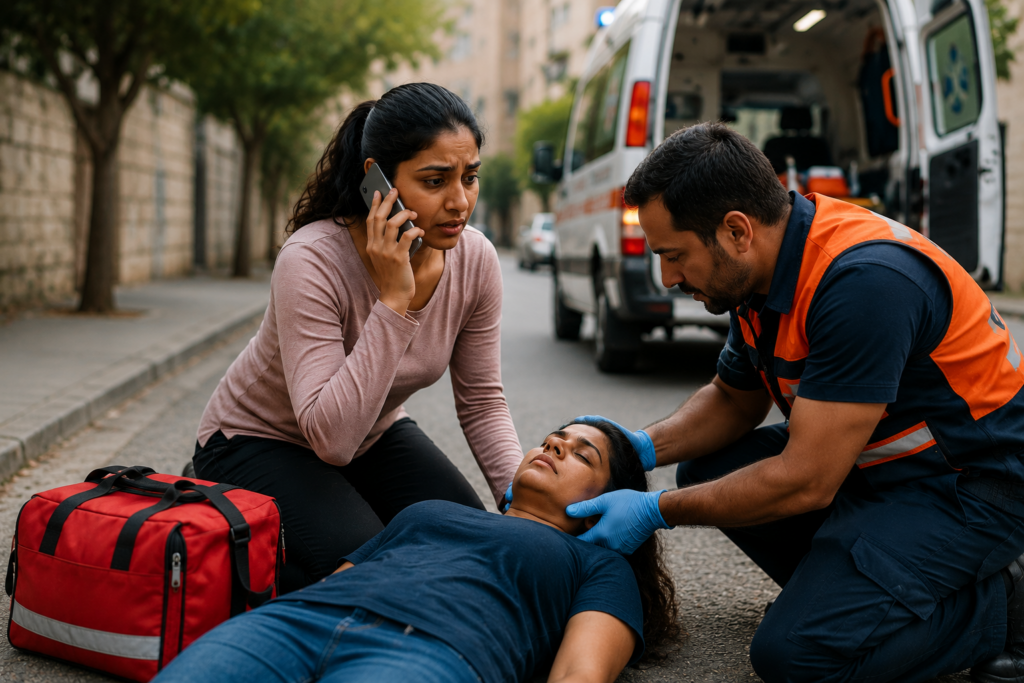
உண்மையான மருத்துவ அவசரநிலையில், குழப்பம் ஆபத்தை விளைவிக்கக்கூடும். ஒவ்வொரு நிமிடமும் முக்கியமானதாக இருக்கும்போது, மக்கள் பெரும்பாலும் தயங்குகிறார்கள், நண்பர்களை அழைக்கிறார்கள் அல்லது அதிக நேரம் காத்திருக்கிறார்கள்.
இஸ்ரேலில் மருத்துவ அவசரநிலை ஏற்பட்டால் என்ன செய்ய வேண்டும் என்பதை இந்த வழிகாட்டி படிப்படியாகத் துல்லியமாக விளக்குகிறது.
மருத்துவ அவசரநிலை எனக் கருதப்படுவது எது?
மருத்துவ அவசரநிலை என்பது உயிருக்கோ அல்லது உடல்நலத்திற்கோ உடனடி ஆபத்து இருப்பதைக் குறிக்கிறது.
உதாரணங்கள் பின்வருமாறு:
- நெஞ்சு வலி
- சுவாசிப்பதில் சிரமம்
- கடுமையான இரத்தப்போக்கு
- சுயநினைவு இழப்பு
- பக்கவாத அறிகுறிகள்
- கடுமையான ஒவ்வாமை எதிர்வினை
- கடுமையான காயம் அல்லது விபத்து
உங்களுக்கு உறுதியாகத் தெரியவில்லை என்றால், அந்தச் சூழ்நிலையை ஒரு அவசரநிலையாகக் கருதுவதே பாதுகாப்பானது.
படி 1: உடனடியாக 101-க்கு அழைக்கவும்
இஸ்ரேலில், 101 என்ற எண்ணை அழைப்பதன் மூலம் அவசர மருத்துவ சேவைகளைத் தொடர்புகொள்ளலாம்.
இதற்காகக் காத்திருக்க வேண்டாம்:
- முதலாளி ஒப்புதல்
- நண்பர்களின் அறிவுரை
- வேறு ஒருவர் முடிவு செய்ய வேண்டும்
உண்மையான ஆபத்து இருந்தால், உடனடியாகத் தொடர்பு கொள்ளவும்.
படி 2: தெளிவான தகவல்களை அளிக்கவும்
அவசர சேவைகளை அழைக்கும்போது, தெளிவாகவும் எளிமையாகவும் பேசுங்கள்:
- உங்கள் இருப்பிடம் (முகவரி அல்லது சரியான இடம்)
- என்ன நடந்தது
- நபரின் வயது (தெரிந்தால்)
- முக்கியப் பிரச்சினை (மூச்சுத் திணறல், சுயநினைவின்மை, இரத்தப்போக்கு போன்றவை)
சுருக்கமான மற்றும் தெளிவான தகவல்கள் விரைவான பதிலுக்கு உதவுகின்றன.
படி 3: வழிமுறைகளைப் பின்பற்றவும்
உதவி வருவதற்கு முன்பு ஆபரேட்டர் அறிவுறுத்தல்களை வழங்கலாம்.
அவர்களை அமைதியாகப் பின்தொடருங்கள்.
முக்கிய குறிப்புகள்:
- தேவைப்பட்டால் தவிர, காயமடைந்த நபரை நகர்த்த வேண்டாம்.
- மயக்க நிலையில் இருப்பவருக்கு உணவோ பானமோ கொடுக்க வேண்டாம்.
- அந்த நபரைச் சுற்றி இடைவெளி விடவும்.
படி 4: அடிப்படைத் தகவல்களைத் தயார் செய்யவும்
முடிந்தால் (உதவியைத் தாமதிக்காமல்), தயார் செய்யவும்:
- அடையாள அட்டை அல்லது கடவுச்சீட்டு
- காப்பீட்டு விவரங்கள்
- தற்போதைய மருந்துகள்
- அறியப்பட்ட ஒவ்வாமைகள்
- அவசர தொடர்பு
ஆனால் நினைவில் கொள்ளுங்கள்: சிகிச்சைக்கே முதலிடம்.
உதவி வந்த பிறகு என்ன நடக்கும்
மருத்துவக் குழுக்கள் முதலில் அவசர சிகிச்சையில் கவனம் செலுத்தும்.
அதற்குப் பிறகு, பின்வருவன இருக்கலாம்:
- மருத்துவமனை சிகிச்சை
- ஆவணப்படுத்தல்
- பணம் செலுத்தும் விவரங்கள்
உங்களுக்கு வழங்கப்பட்ட அனைத்து ஆவணங்களையும் பத்திரமாக வைத்துக் கொள்ளுங்கள்.
வைத்திருக்க வேண்டிய முக்கியமான ஆவணங்கள்
அவசரநிலைக்குப் பிறகு, இவற்றை வைத்துக்கொள்ளுங்கள்:
- அவசர சிகிச்சைப் பிரிவு சுருக்கம்
- மருத்துவமனை ஆவணங்கள்
- மருந்துச்சீட்டுகள்
- ரசீதுகள்
இவை பின்னர் தேவைப்படலாம்:
- காப்பீடு
- தொடர் கவனிப்பு
- வேலை தொடர்பான பிரச்சினைகள்
பணம் செலுத்துதல் மற்றும் காப்பீடு
சூழ்நிலையைப் பொறுத்து அவசர சிகிச்சைக்குக் கட்டணங்கள் விதிக்கப்படலாம்.
அவசரநிலை முடிந்த பிறகும் ஆவணப் பணிகளைப் புறக்கணிக்காதீர்கள்.
ஆவணங்கள் உதவுகின்றன:
- செலவுகளைத் தெளிவுபடுத்துங்கள்
- காப்பீட்டு உரிமைகோரல்களை ஆதரிக்கவும்
மனநல அவசரநிலைகள்
எல்லா அவசரநிலைகளும் உடல் ரீதியானவை அல்ல.
உணர்ச்சி ரீதியான அவசரநிலைகளில் பின்வருவன அடங்கும்:
- கடுமையான மன உளைச்சல்
- பீதி
- பாதுகாப்பற்றதாக உணர்கிறேன்
இந்த நிலைமைகளுக்கும் அவசர உதவி தேவைப்படுகிறது.
அவற்றை அலட்சியம் செய்யாதீர்கள்.
பொதுவான தவறுகள்
- அதிக நேரம் காத்திருப்பது
- அவசர சேவைகளுக்குப் பதிலாக நண்பர்களை அழைப்பது
- உங்கள் இருப்பிடம் தெரியாமல்
- சிகிச்சைக்கு முன் காப்பீடு பற்றி சிந்திப்பது
- ஆவணங்கள் இல்லாமல் மருத்துவமனையை விட்டு வெளியேறுதல்
முடிவு
மருத்துவ அவசரநிலையில், முன்னுரிமை அளிக்கப்பட வேண்டியது:
- வேகம்
- பாதுகாப்பு
- தெளிவான தொடர்பு
பரிபூரணமாக இருக்க முயற்சிக்காதீர்கள். விரைவாகச் செயல்படுங்கள்.
இறுதி குறிப்பு
இந்த எளிய கட்டளையை நினைவில் கொள்ளுங்கள்:
- ஆபத்தை அடையாளம் காணுங்கள்
- 101-க்கு அழைக்கவும்
- இருப்பிடத்தைக் கொடுங்கள்
- வழிமுறைகளைப் பின்பற்றவும்
- அதன்பிறகு ஆவணங்களை வைத்திருக்கவும்
இது ஒரு உயிரைக் காப்பாற்றும்.