



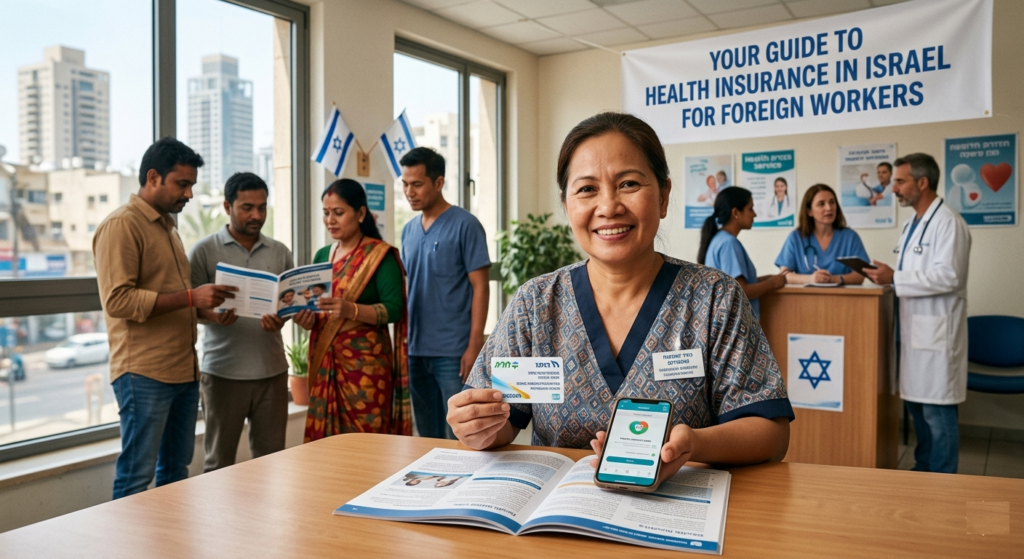
அறிமுகம்
இஸ்ரேலில் உள்ள ஒரு வெளிநாட்டுத் தொழிலாளிக்கு சுகாதாரக் காப்பீடு மிக முக்கியமான நடைமுறைப் பாதுகாப்புகளில் ஒன்றாகும். பல தொழிலாளர்கள், தாங்கள் நோய்வாய்ப்பட்டாலோ, காயமடைந்தாலோ, வலியால் துடித்தாலோ, அல்லது முதலாளியின் அழுத்தத்திற்கு உள்ளானாலோதான் காப்பீட்டைப் பற்றி சிந்திக்கிறார்கள். அந்த நேரத்திற்குள், ஒரு சாதாரண மருத்துவமனைப் பரிசோதனை கூட குழப்பமாகத் தோன்றலாம்.
இஸ்ரேலில் உள்ள வெளிநாட்டுத் தொழிலாளர்களுக்கான மருத்துவப் பராமரிப்பின் உண்மையான கட்டமைப்பை இந்த வழிகாட்டி விளக்குகிறது. ஒரு தொழிலாளி, மொழிபெயர்ப்பாளர், குடும்ப உறுப்பினர் அல்லது சமூக உதவியாளர் விரைவாகப் புரிந்துகொள்ளும் வகையில் இது எளிய ஆங்கிலத்தில் எழுதப்பட்டுள்ளது.
முக்கியமான விஷயம் எளிமையானது: இஸ்ரேலியக் குடியுரிமை இல்லாத பெரும்பாலான வெளிநாட்டுத் தொழிலாளர்கள், இஸ்ரேலின் பொது தேசிய சுகாதாரக் காப்பீட்டுத் திட்டத்தின் கீழ் உள்ளடக்கப்படவில்லை. மாறாக, பணிபுரியும் காலத்தில் தனியார் மருத்துவக் காப்பீட்டை வழங்குமாறு முதலாளியை சட்டம் கட்டாயப்படுத்துகிறது. அந்த ஒரு உண்மையே, ஒரு தொழிலாளி எவ்வாறு தயாராக வேண்டும், எந்த ஆவணங்கள் முக்கியமானவை, மற்றும் ஏதேனும் தவறு நேரும்போது என்ன செய்ய வேண்டும் என்பனவற்றை மாற்றுகிறது.
இந்தத் தலைப்பு ஏன் முக்கியமானது
உடல்நலப் பிரச்சனைகள் அரிதாகவே வசதியான நேரத்தில் ஏற்படுகின்றன. ஒரு தொழிலாளிக்கு வேலைக்குச் செல்வதற்கு முன்பு காய்ச்சல் வரலாம், பல மாதங்கள் கனமான பொருட்களைத் தூக்கிய பிறகு முதுகுவலி ஏற்படலாம், இரவில் மருந்து தேவைப்படலாம், அல்லது குடும்பத்தை விட்டு வெகு தொலைவில் இருக்கும்போது ஒரு அவசரநிலையை எதிர்கொள்ள நேரிடலாம். காப்பீடு பற்றித் தெளிவான புரிதல் இல்லாததால், தொழிலாளர்கள் பெரும்பாலும் சிகிச்சையைத் தாமதப்படுத்துகிறார்கள், தேவையற்ற முறையில் பணம் செலுத்துகிறார்கள், அல்லது வதந்திகளை நம்புகிறார்கள்.
இந்தத் தலைப்பு முக்கியத்துவம் பெறுவதற்கான இரண்டாவது காரணம், சுகாதாரப் பராமரிப்பு என்பது வெறும் சிகிச்சை மட்டுமல்ல. அது ஆவணங்களைப் பற்றியதும்கூட. காப்பீட்டு அட்டைகள், பாலிசி எண்கள், பரிந்துரைக் கடிதங்கள், மருந்துச் சீட்டுகள், ரசீதுகள், மருத்துவ விடுப்புச் சான்றிதழ்கள் மற்றும் விபத்துப் படிவங்கள் ஆகிய அனைத்தும் முக்கியமானவை. அந்த ஆவணங்கள் இல்லாதபோது, ஒரு சிறிய மருத்துவப் பிரச்சினை, வேலைப் பிரச்சினையாகவோ, சம்பளப் பிரச்சினையாகவோ அல்லது பொறுப்பு குறித்த ஒரு தகராறாகவோ மாறக்கூடும்.
நெருக்கடியின் போது மட்டுமே கற்றுக்கொள்ளத் தொடங்கும் ஒரு பணியாளரைக் காட்டிலும், அமைப்பை முன்கூட்டியே புரிந்துகொள்ளும் ஒரு பணியாளர் மிகவும் வலுவான நிலையில் இருப்பார்.
அடிப்படை சட்டச் சித்திரம்
இஸ்ரேலில் உள்ள பெரும்பாலான வெளிநாட்டுத் தொழிலாளர்களுக்கு, முதலாளியால் ஏற்பாடு செய்யப்படும் தனியார் மருத்துவக் காப்பீடே தொடக்கப் புள்ளியாகும். வெளிநாட்டுத் தொழிலாளர்களின் முதலாளிகள், பணிபுரியும் காலம் முழுவதும் தனியார் மருத்துவக் காப்பீட்டை வழங்க வேண்டும் என்றும், இஸ்ரேலியக் குடியுரிமை இல்லாத வெளிநாட்டுத் தொழிலாளர்கள் பொதுவாக அரசு சுகாதாரக் காப்பீட்டுச் சட்டத்தின் கீழ் காப்பீடு செய்யப்படுவதில்லை என்றும் அதிகாரப்பூர்வ அரசாங்க வழிகாட்டுதல்கள் கூறுகின்றன.
இந்தத் தனியார் கட்டமைப்பு, அத்தியாவசிய மருத்துவ சேவைகளுக்கான அணுகலை வழங்குவதை நோக்கமாகக் கொண்டுள்ளது, ஆனால் இது இஸ்ரேலியக் குடிமக்கள் பயன்படுத்தும் பொது அமைப்பைப் போன்றதல்ல. அதாவது, தொழிலாளர்கள் தாங்கள் எந்தவொரு மருத்துவமனை, சிறப்பு மருத்துவர் அல்லது சேவை மையத்திற்கும் எளிதாகச் சென்று, ஒரு வழக்கமான HMO உறுப்பினரைப் போலவே நடத்தப்படலாம் என்று கருதக்கூடாது.
நடைமுறையில், கொள்கை, சேவை வழங்குநர், மருத்துவமனை வலையமைப்பு மற்றும் ஒப்புதல் செயல்முறை ஆகிய அனைத்தும் முக்கியத்துவம் வாய்ந்தவை.
உங்கள் முதலாளி வழங்க வேண்டியவை
ஒரு பொறுப்புள்ள பணியாளர், உடல்நிலை சரியில்லாத பிறகு மட்டுமல்லாமல், ஐந்து விஷயங்களை முன்கூட்டியே கேட்க வேண்டும்.
முதலில், காப்பீட்டு நிறுவனம் அல்லது சேவை வழங்குநரின் பெயரைக் கேளுங்கள். இரண்டாவதாக, பாலிசி அல்லது உறுப்பினர் எண்ணைக் கேளுங்கள். மூன்றாவதாக, உங்கள் நகரம் அல்லது பகுதியில் வழக்கமான மருத்துவமனை வருகைகள் எங்கு வழங்கப்படுகின்றன என்று கேளுங்கள். நான்காவதாக, இரவில், வார இறுதி நாட்களில் அல்லது அவசர காலத்தில் அழைக்க வேண்டிய தொலைபேசி எண் எது என்று கேளுங்கள். ஐந்தாவதாக, பாலிசியின் சுருக்கம் கிடைத்தால், உங்களுக்குப் புரியும் மொழியில் அதைக் கேளுங்கள்.
“உங்களுக்குக் காப்பீடு உள்ளது” என்பது போன்ற ஒரு வாக்கியத்தை மட்டும் நம்பி இருக்காதீர்கள். இரவு 11 மணிக்கு உங்களுக்கு மருத்துவர் தேவைப்படும்போது அல்லது வரவேற்பாளர் பாலிசி எண்ணைக் கேட்கும்போது அந்த வாக்கியம் போதுமானதாக இருக்காது.
தனியார் காப்பீடு பொதுவாக எதற்கு உதவுகிறது
பெரும்பாலான வெளிநாட்டுத் தொழிலாளர் மருத்துவக் காப்பீடுகள், பாலிசி விதிகளுக்கு உட்பட்டு, சாதாரண மற்றும் அவசர மருத்துவத் தேவைகளை ஈடுசெய்யும் வகையில் வடிவமைக்கப்பட்டுள்ளன. நடைமுறையில், இதில் பெரும்பாலும் காப்பீட்டாளரின் சேவை வலையமைப்பு மூலமான மருத்துவர் சந்திப்புகள், அந்த கட்டமைப்பின் மூலம் பரிந்துரைக்கப்படும் அடிப்படைப் பரிசோதனைகள், அவசரகால மருத்துவமனை சிகிச்சை, மற்றும் மருத்துவப் பட்டியலில் உள்ள அல்லது பாலிசியால் அங்கீகரிக்கப்பட்ட மருந்துகளின் செலவில் குறைந்தபட்சம் ஒரு பகுதியாவது ஆகியவை அடங்கும்.
இருப்பினும், ஒவ்வொரு சிகிச்சை, சிறப்பு நிபுணர் அல்லது நீண்டகால நோய்க்கும் காப்பீடு முழுமையாக வழங்கப்படும் என்று தொழிலாளர்கள் கருதக்கூடாது. சில சேவைகளுக்குப் பரிந்துரை அல்லது முன் அனுமதி தேவைப்படுகிறது. சில மருந்துகள் சரியான வழிமுறையின் மூலம் பரிந்துரைக்கப்பட்டால் மட்டுமே காப்பீட்டின் கீழ் வரும். காப்பீட்டுத் திட்டம் தொடங்குவதற்கு முன்பே இருந்த சில நோய்கள் விலக்கப்படலாம் அல்லது வரம்புக்குட்பட்டதாக இருக்கலாம். தனியார் காப்பீடு பொதுவாக முன்பே இருக்கும் நோய்களுக்குக் காப்பீடு வழங்காது என்றும், தேவையான காப்பீட்டு ஏற்பாட்டிற்கு அப்பாற்பட்ட கூடுதல் சேவைகளுக்கும் காப்பீடு வழங்காமல் போகலாம் என்றும் வெளிநாட்டுத் தொழிலாளர்களின் அதிகாரப்பூர்வ உரிமைகள் கையேடு குறிப்பாக எச்சரிக்கிறது.
அதனால்தான், மிகவும் பயனுள்ள கேள்வி “என்னிடம் காப்பீடு உள்ளதா?” என்பதல்ல, மாறாக “இந்தக் குறிப்பிட்ட பிரச்சனைக்கு இந்தக் காப்பீட்டை நான் எவ்வாறு சரியாகப் பயன்படுத்துவது?” என்பதே ஆகும்.
உங்களுக்கு உடல்நிலை சரியில்லாமல் போவதற்கு முன் இந்த அமைப்பை எவ்வாறு பயன்படுத்துவது
எந்தத் தவறும் இல்லாதபோதே தயாராவதுதான் சிறந்த நேரம்.
காப்பீட்டு உதவி எண்ணை உங்கள் தொலைபேசியில் சேமித்துக்கொள்ளுங்கள். உங்கள் பாலிசியை ஏற்கும் அருகிலுள்ள மருத்துவமனையின் முகவரியைச் சேமித்துக்கொள்ளுங்கள். உங்கள் கடவுச்சீட்டு, தேவைப்பட்டால் விசா பக்கம், மற்றும் காப்பீட்டு அட்டை அல்லது உறுப்பினர் விவரங்களின் புகைப்படங்களை உங்கள் தொலைபேசியில் உள்ள ஒரு பாதுகாப்பான கோப்புறையில் வைத்திருங்கள். காய்ச்சல், வலி, மருந்துச்சீட்டு, அவசரநிலை, சந்திப்பு, மருத்துவ விடுப்புச் சான்றிதழ், மற்றும் பரிந்துரை போன்றவற்றுக்கான அடிப்படை வார்த்தைகள் உங்களுக்கு ஏற்கனவே தெரியவில்லை என்றால், அவற்றைக் கற்றுக்கொள்ளுங்கள்.
தேவைப்பட்டால் மொழிபெயர்ப்புக்கு உதவக்கூடிய, நம்பகமான ஒருவரை அடையாளம் கண்டுகொள்வதும் உதவியாக இருக்கும். ஒரு நெருக்கடியான நேரத்தில், மக்கள் பெரும்பாலும் பல நண்பர்களை அழைத்து, முரண்பாடான ஆலோசனைகளைப் பெறுகிறார்கள். உரத்த கருத்துக்களைக் கூறும் ஐந்து பேரை விட, அமைதியான ஒரு உதவியாளர் பொதுவாகச் சிறந்தவர்.
வழக்கமான கவனிப்பு, அவசர சிகிச்சை மற்றும் அதி அவசர சிகிச்சை ஆகியவை ஒன்றல்ல.
தங்கள் நிலைமை எதற்குப் பொருந்துகிறது என்று தெரியாததால், தொழிலாளர்கள் பெரும்பாலும் நேரத்தை இழக்கிறார்கள்.
வழக்கமான பராமரிப்பு என்பது சாதாரண இருமல், லேசான காய்ச்சல், தோல் தடிப்பு, கடுமையற்ற வயிற்று வலி, மருந்து புதுப்பித்தல், முந்தைய சிகிச்சைக்குப் பிறகான தொடர் சிகிச்சை அல்லது பொதுவான ஆலோசனை போன்ற பிரச்சனைகளைக் குறிக்கும். இந்தப் பிரச்சனைகள் பொதுவாக காப்பீட்டு நிறுவனத்தின் மருத்துவமனை அல்லது சேவைப் பிரிவில் இருந்து தொடங்கும்.
அவசர சிகிச்சை என்பது, பிரச்சனைக்காகக் காத்திருக்க முடியாது, ஆனால் சம்பந்தப்பட்ட நபருக்கு உடனடி ஆபத்து இல்லை என்பதாகும். மோசமடையும் தொற்று, கடுமையான வலி, தொடர்ச்சியான வாந்தி, அல்லது நள்ளிரவில் அறிகுறிகள் மோசமடைதல் போன்றவை இதற்கு உதாரணங்களாக இருக்கலாம். இத்தகைய சந்தர்ப்பங்களில், உதவி எண், அவசர சிகிச்சை மையத்தின் அறிவுறுத்தல்கள், அல்லது பணி நேரத்திற்குப் பிறகான பிரத்யேக சேவை ஆகியவை மிகவும் முக்கியமானதாகின்றன.
அவசர சிகிச்சை என்பது ஒரு உண்மையான அச்சுறுத்தலைக் குறிக்கிறது: மார்பு வலி, கடுமையான சுவாசச் சிரமம், தீவிர இரத்தப்போக்கு, சுயநினைவு இழப்பு, பெரிய காயம், பக்கவாதத்தின் அறிகுறிகள், கடுமையான ஒவ்வாமை எதிர்வினை, அல்லது தாமதம் உயிருக்கு ஆபத்தை ஏற்படுத்தக்கூடிய அல்லது பெரும் பாதிப்பை விளைவிக்கக்கூடிய எந்தவொரு சூழ்நிலையும் இதில் அடங்கும். இஸ்ரேலில், 101 என்ற எண்ணை அழைப்பதன் மூலம் Magen David Adom வழியாக அவசர மருத்துவ உதவி கையாளப்படுகிறது.
நீங்கள் ஒரு மருத்துவமனைக்கு வரும்போது
உங்களால் முடிந்ததைக் கொண்டு வாருங்கள், ஆனால் ஒரு தாள் விடுபட்டுவிட்டது என்பதற்காக அவசர சிகிச்சையைத் தாமதிக்காதீர்கள்.
சூழ்நிலை அனுமதித்தால், அடையாள அட்டை, காப்பீட்டு விவரங்கள், நீங்கள் ஏற்கனவே பயன்படுத்தும் மருந்துகள் மற்றும் அதே பிரச்சனை தொடர்பான பழைய மருத்துவ ஆவணங்கள் ஏதேனும் இருந்தால் எடுத்துச் செல்லுங்கள். உங்களுக்கு யாராவது உதவினால், மருத்துவரைச் சந்தித்தபோது கொடுக்கப்பட்ட ஒவ்வொரு ஆவணத்தையும் புகைப்படம் எடுக்கச் சொல்லுங்கள்: பரிந்துரைக் கடிதங்கள், மருந்துச் சீட்டுகள், மருத்துவமனையிலிருந்து வெளியேறியதற்கான ஆவணங்கள், கட்டண ரசீதுகள் மற்றும் மருத்துவ விடுப்புச் சான்றிதழ்கள்.
புறப்படுவதற்கு முன், மூன்று நடைமுறை கேள்விகளைக் கேளுங்கள்: பிரச்சனை என்னவென்று மருத்துவர் என்ன நினைத்தார்? நான் அடுத்து என்ன செய்ய வேண்டும்? நான் என்னென்ன ஆவணங்களை வைத்திருக்க வேண்டும்?
மருந்துச் சீட்டுகள், பரிந்துரைகள் மற்றும் ஒப்புதல்கள்
பல மருத்துவப் பிரச்சனைகள் ஒரே சந்திப்பில் தீர்க்கப்படுவதில்லை. ஒரு மருத்துவர் மருந்து பரிந்துரைக்கலாம், பரிசோதனைக்கு உத்தரவிடலாம், பணியாளரை ஒரு சிறப்பு மருத்துவரிடம் அனுப்பலாம் அல்லது சில நாட்களுக்குப் பிறகு தொடர் சிகிச்சைக்காகக் கேட்கலாம்.
இங்குதான் பல பணியாளர்கள் தவறுகளைச் செய்கிறார்கள். அவர்கள் மருந்துச் சீட்டைத் தொலைத்துவிடுகிறார்கள், மருந்தை எங்கே வாங்குவது என்பதைத் தவறாகப் புரிந்துகொள்கிறார்கள், பரிந்துரைக் கடிதம் தேவையா என்பதை மறந்துவிடுகிறார்கள், அல்லது வேலையளிப்பவர் பின்னர் எல்லாவற்றையும் விளக்குவார் என்று கருதிக்கொள்கிறார்கள்.
புறப்படுவதற்கு முன் ஒவ்வொரு ஆவணத்தையும் சரிபார்ப்பதே ஒரு சிறந்த அணுகுமுறை: பணியாளரின் பெயர் சரியாக உள்ளதா? தேதி தெளிவாகத் தெரிகிறதா? அடுத்து எங்கு செல்ல வேண்டும் என்று ஆவணத்தில் குறிப்பிடப்பட்டுள்ளதா? அடுத்த மருத்துவமனைக்கோ அல்லது மருந்தகத்திற்கோ செல்லும் அளவுக்குக் கையெழுத்து தெளிவாக உள்ளதா? இல்லையென்றால், உடனடியாகக் கேளுங்கள்.
காப்பீட்டு நிறுவனம் மறுத்தால், தாமதப்படுத்தினால் அல்லது உங்களைக் குழப்பினால் என்ன செய்வது
நிராகரிப்பு என்பது எப்போதும் பிரச்சினை முடிந்துவிட்டது என்று அர்த்தமல்ல. சில சமயங்களில், தவறான மருத்துவமனை வழியாகக் கோரிக்கை அனுப்பப்பட்டது, தவறான ஆவணம் விடுபட்டிருப்பது, நிபந்தனை விலக்கப்பட்டிருப்பது, அல்லது காப்பீட்டுத் திட்டம் கணினி அமைப்பில் இன்னும் செயலில் இல்லாதது போன்றவை பிரச்சினைகளுக்குக் காரணமாக இருக்கலாம்.
பொதுவான மொழியில் வாதிடாதீர்கள். எழுத்துப்பூர்வமான விளக்கத்தைக் கேளுங்கள் அல்லது குறைந்தபட்சம் யார், எப்போது, ஏன் என்ன சொன்னார்கள் என்பதை எழுதி வைத்துக் கொள்ளுங்கள். பிறகு, சிக்கலை நான்கு வகைகளில் ஒன்றாகப் பிரித்துக் கொள்ளுங்கள்: விடுபட்ட ஆவணம், தவறான மருத்துவமனை வழிமுறை, காப்பீட்டுத் தகராறு அல்லது காத்திருக்க முடியாத அவசர மருத்துவத் தேவை.
மருத்துவத் தேவை அவசரமானதாக இருந்தால், முதலில் சிகிச்சையில் கவனம் செலுத்தி, அதன்பிறகு உடனடியாக ஆவண வேலைகளைச் சரிசெய்யவும். பிரச்சினை அவசரமற்றதாக இருந்தால், அடுத்தகட்ட நடவடிக்கையைத் துல்லியமாக எழுத்துப்பூர்வமாகக் கேட்டு, எல்லா செய்திகளையும் ஒரே உரையாடலில் வைத்திருக்கவும்.
சில சூழ்நிலைகளில் காப்பீடு மறுக்கப்பட்டால், தொழிலாளர்கள் மேல்முறையீடு செய்யலாம் என்றும் அரசாங்க வழிகாட்டுதல்கள் குறிப்பிடுகின்றன. எனவே, மறுப்புக் கடிதம் அல்லது நிராகரிப்புச் செய்தி வரும்போது தொழிலாளர்கள் விரைவாகச் செயல்பட வேண்டும்.
வேலை தொடர்பான காயங்கள் மருத்துவக் காப்பீட்டில் எவ்வாறு அடங்கும்
பணியிடத்தில் காயம் ஏற்படும்போது, மருத்துவக் காப்பீடு இன்றியமையாதது என்றாலும், அந்தச் சூழல் தேசிய காப்பீட்டுப் பணியிடக் காய உரிமைகளுடனும் தொடர்புடையதாக இருக்கலாம்.
இஸ்ரேலிய ஊழியர்களைப் போன்றே வெளிநாட்டுத் தொழிலாளர்களுக்கும் பணி காயங்களுக்கான காப்பீடு உண்டு என்றும், பணி காயத்திற்குப் பிறகு ஒரு வெளிநாட்டுத் தொழிலாளியை மருத்துவ சிகிச்சைக்காகப் பரிந்துரைக்க, முதலாளிகள் BL/250 படிவத்தைப் பூர்த்தி செய்ய வேண்டும் என்றும் தேசிய காப்பீட்டு நிறுவனம் தெரிவிக்கிறது.
இதன் பொருள், பணியாளர் ஒரே நேரத்தில் இரண்டு வழிகளில் சிந்திக்க வேண்டும்: விரைவாக மருத்துவ உதவியைப் பெறுவது மற்றும் காயம் பணியிடத்தில் ஏற்பட்டது என்பதை ஆவணப்படுத்துவது.
பிரச்சனைகளை உருவாக்கும் பொதுவான தவறுகள்
மிகவும் பொதுவான தவறு காத்திருப்பதுதான். தொழிலாளர்கள் பெரும்பாலும் வலி தானாகவே நீங்கிவிடும் என்று நம்புகிறார்கள், அல்லது முதலாளிக்குத் தொந்தரவு கொடுத்துவிடுவோமோ என்று அஞ்சுகிறார்கள். தாமதம் சிகிச்சையைக் கடினமாக்கி, ஆவணங்களையும் பலவீனமாக்கிவிடும்.
இரண்டாவது தவறு என்னவென்றால், பிரச்சனை ஏற்படும் நாள் வரை காப்பீட்டு நிறுவனத்தைப் பற்றித் தெரியாமல் இருப்பது.
மூன்றாவது தவறு என்னவென்றால், அந்தச் சந்திப்பு பாலிசி நெட்வொர்க் அல்லது ஹாட்லைன் வழியாகச் சென்றிருக்க வேண்டுமா என்பதை முதலில் சரிபார்க்காமல், எங்காவது பணமாகச் செலுத்துவதாகும்.
நான்காவது தவறு என்னவென்றால், ஒரே ஒரு காகித நகலை மட்டும் வைத்துக்கொண்டு, காப்புப் புகைப்படங்கள் எதையும் வைத்திருக்காமல் இருப்பது.
சரியான மருத்துவமனை எண், அல்லது ஒப்புதல் பெறும் வழிமுறை ஆகியவற்றைக் கேட்பதற்குப் பதிலாக, “பிறகு ஏற்பாடு செய்து கொள்ளலாம்” போன்ற வாய்மொழி வாக்குறுதிகளை நம்புவது ஐந்தாவது தவறாகும்.
எளிய சரிபார்ப்புப் பட்டியல்
காப்பீட்டு எண்ணையும் உதவி எண்ணையும் உங்கள் தொலைபேசியில் சேமித்துக்கொள்ளுங்கள்.
உங்கள் காப்பீட்டுடன் செயல்படும் அருகிலுள்ள மருத்துவமனையைத் தெரிந்து கொள்ளுங்கள்.
பாலிசி விவரங்கள், கடவுச்சீட்டு நகல் மற்றும் பழைய மருத்துவப் பதிவேடுகளை ஒரே கோப்புறையில் வைக்கவும்.
ஒவ்வொரு மருந்துச்சீட்டு, பரிந்துரைக் கடிதம், ரசீது மற்றும் மருத்துவமனையிலிருந்து வெளியேற்றப்பட்டதற்கான ஆவணம் ஆகியவற்றை புகைப்படம் எடுக்கவும்.
மருத்துவமனையை விட்டு வெளியேறும் முன் கேள்விகளைக் கேளுங்கள், மூன்று நாட்கள் கழித்து அல்ல.
கடுமையான அறிகுறிகள் தென்பட்டாலோ அல்லது ஆபத்து ஏற்பட்டாலோ, உடனடியாக 101 என்ற எண்ணை அழைக்கவும்.
முடிவு
இஸ்ரேலில் உள்ள வெளிநாட்டுத் தொழிலாளர்களுக்கான சுகாதாரக் காப்பீடு என்பது வெறும் சம்பிரதாயமான தேவை மட்டுமல்ல. அது, எங்கு செல்ல வேண்டும், யார் பணம் செலுத்துவார்கள், என்னென்ன ஆவணங்கள் முக்கியமானவை, மேலும் நீங்கள் பலவீனமாகவோ, நோய்வாய்ப்பட்டோ, அல்லது அழுத்தத்தில் இருக்கும்போதோ உங்களை எவ்வாறு பாதுகாத்துக் கொள்வது என்பதைக் காட்டும் ஒரு வழிகாட்டி வரைபடம் போன்றது.
ஒவ்வொரு விதியையும் மனப்பாடம் செய்பவர்கள் வலிமையான பணியாளர்கள் அல்ல. அவர்கள் முன்கூட்டியே தயாராகி, ஆவணங்களை ஒழுங்கமைத்து, வழக்கமான கவனிப்பு, அவசர சிகிச்சை மற்றும் உண்மையான நெருக்கடி ஆகியவற்றுக்கு இடையேயான வேறுபாட்டை அறிந்தவர்களே ஆவர்.
இந்த வழிகாட்டியிலிருந்து நீங்கள் ஒன்றை நினைவில் கொள்ள வேண்டும் என்றால், அது இதுதான்: உங்கள் காப்பீடு எவ்வாறு செயல்படுகிறது என்பதைத் தெரிந்துகொள்ள, ஒரு நெருக்கடி நிலை வரும் வரை காத்திருக்காதீர்கள்.